




Partial Knee Replacement, Recovery, and What Patients Need to Know
Joint replacement has evolved dramatically over the past decade—but many of the questions patients ask remain the same.
In this episode of The Joint Replacement Podcast, I sat down with Dr. Keith Connolly, a fellowship-trained orthopedic surgeon specializing in hip and knee replacement, to discuss the topics that matter most to patients considering surgery.
From partial vs total knee replacement to recovery timelines and implant longevity, this conversation provides clear, practical insights grounded in real-world experience.
🦵 When Is the Right Time for Joint Replacement?
One of the most important takeaways from our discussion is that timing is personal.
While X-rays and imaging help guide the decision, they don’t tell the whole story. Patients with moderate arthritis may have severe symptoms, while others with advanced arthritis may still function relatively well.
👉 The decision ultimately comes down to:
- Pain that limits daily activities
- Failure of conservative treatments (PT, injections, medications)
- Declining function and quality of life
📍 As Dr. Connolly emphasizes: “It’s about where the patient is in their journey—not just what the X-ray shows.”
🔍 Partial vs Total Knee Replacement: Which Is Better?
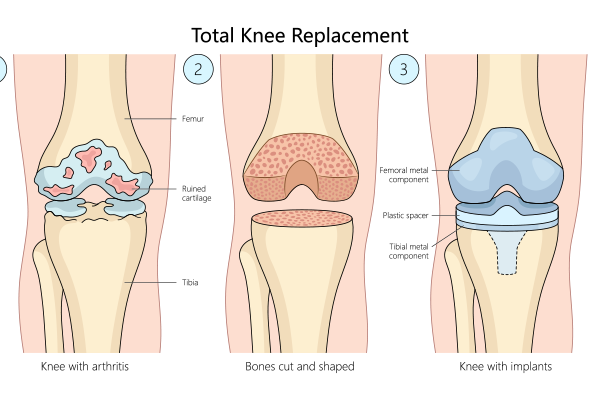
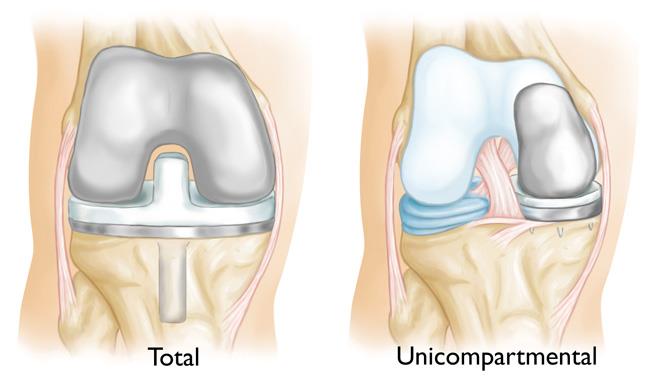

This is one of the most common—and most misunderstood—questions.
Partial Knee Replacement (Unicompartmental)
✔️ Preserves ligaments
✔️ More natural knee feel
✔️ Faster recovery in many cases
✔️ Smaller surgery
Total Knee Replacement
✔️ Treats all compartments of the knee
✔️ More versatile for advanced arthritis
✔️ Reliable long-term outcomes
👉 Key Point:
The best procedure depends on patient selection.
Dr. Connolly highlights that surgeon experience and volume matter significantly, especially with partial knee replacement. Studies show that higher-volume surgeons have lower revision rates, particularly in the first two years after surgery.
⏱️ What Is Recovery Really Like?
Recovery after joint replacement has improved dramatically.
What Patients Can Expect:
- Walking within hours after surgery
- Many patients off assistive devices within 1–2 weeks (hips/partials)
- Minimal narcotic use by 1–2 weeks
- Return to most daily activities by ~6 weeks
- Return to sports (golf, tennis, skiing) in ~2–3 months
📍 A major shift in recent years:
👉 Most joint replacements are now outpatient procedures
Pain management has also evolved toward multimodal, opioid-sparing approaches, improving both recovery and patient experience.
⏳ How Long Do Joint Replacements Last?

4
One of the biggest concerns patients have is durability.
The data is reassuring:
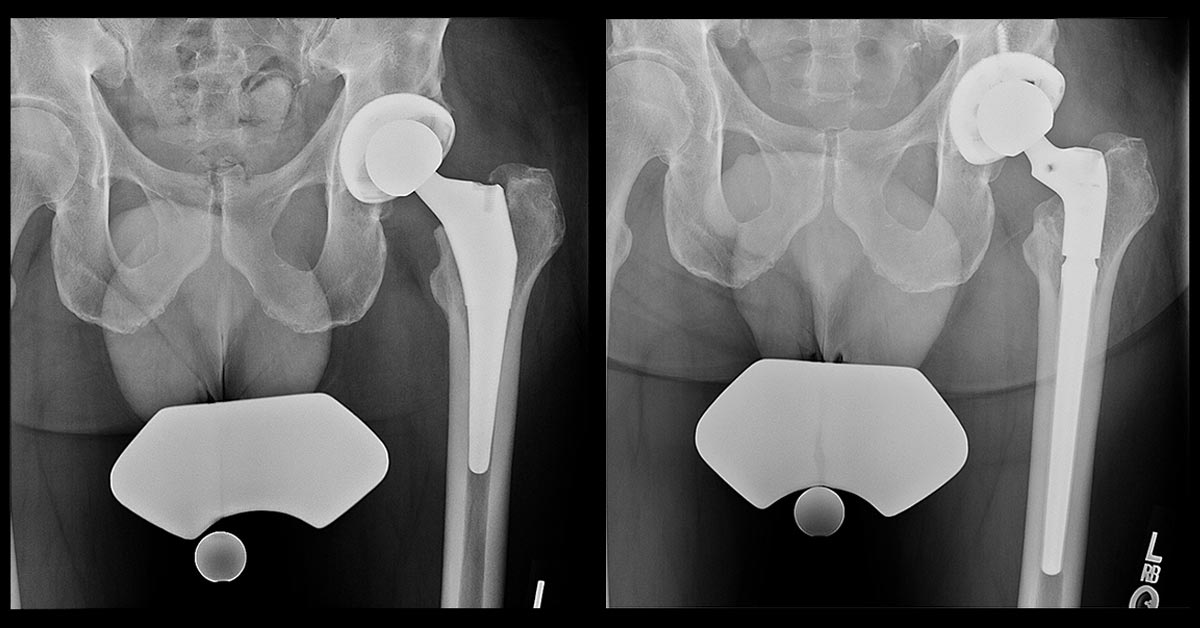
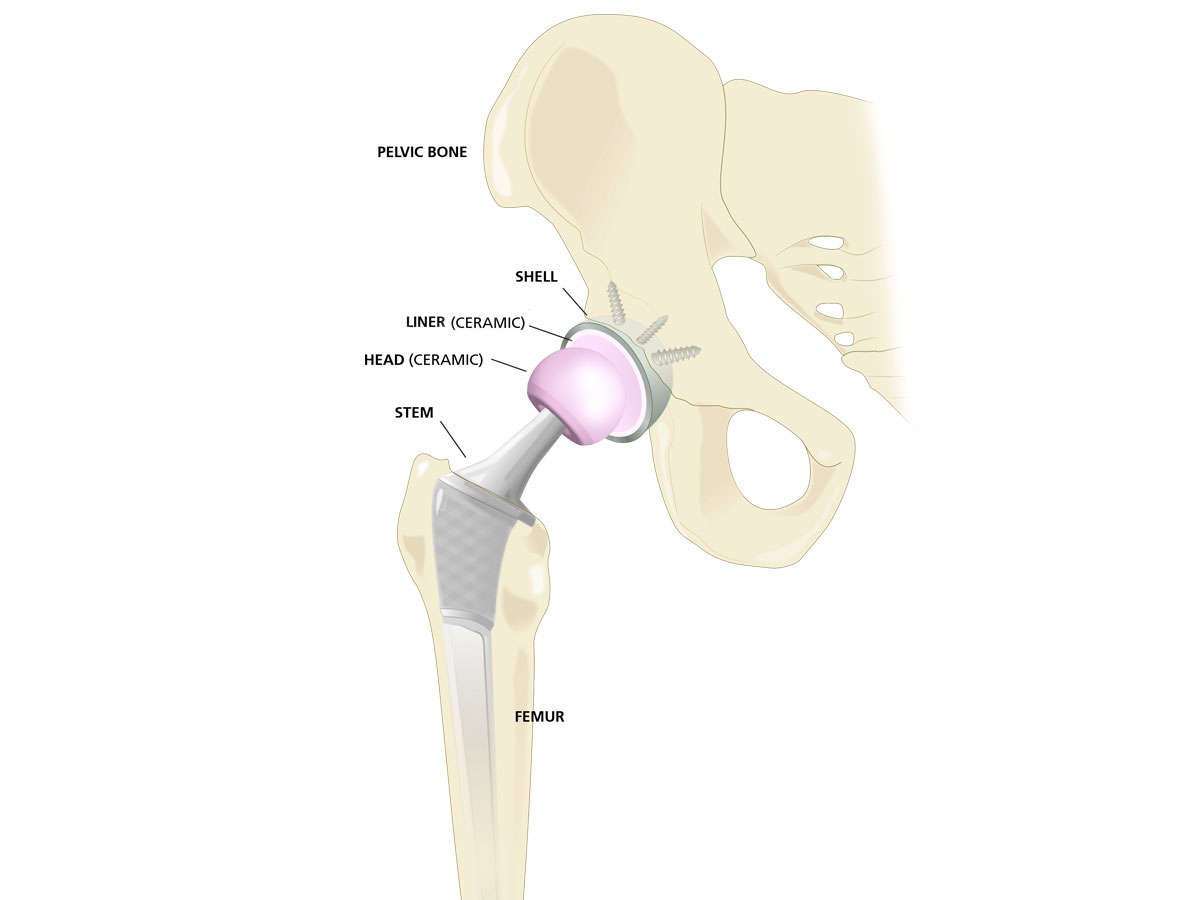
- ~90–95% of hip and knee replacements are still functioning at 15–20 years
- Many last significantly longer
- For older patients, the implant may last a lifetime
Advances in highly cross-linked polyethylene and improved implant fixation have significantly reduced wear rates.
⚖️ What Separates a Good Surgeon from a Great One?
A powerful part of the conversation focused on this question.
According to Dr. Connolly, it comes down to:
1. Patient Connection
- Listening to goals
- Building trust
- Individualizing care
2. Experience & Volume
- Repetition improves outcomes
- Exposure to a wide range of cases
- Ability to adapt intraoperatively
👉 Bottom line:
Technical skill matters—but so does communication, judgment, and consistency.
🚀 The Future of Joint Replacement
Looking ahead, several trends are shaping the field:
- Continued shift to outpatient surgery
- Improved data from joint registries
- Growth of AI-driven outcome analysis
- Advances in infection prevention
- Potential future biologic treatments for arthritis
While technologies like robotics continue to evolve, the consensus remains:
📍 Technology is a tool—not the driver of outcomes.
🎯 Final Takeaway
The most important concept from this episode:
👉 The right patient + the right procedure + an experienced surgeon = the best outcome
Joint replacement is not one-size-fits-all—and personalized decision-making is key.
🎧 Listen to the Full Episode
👉 https://hipandkneerelief.com/podcast/
📚 References
- American Academy of Orthopaedic Surgeons (AAOS). Total Hip and Knee Replacement Outcomes
- National Joint Registry (UK). Annual Reports on Implant Survival
- Australian Orthopaedic Association National Joint Replacement Registry (AOANJRR)
- Evans JT et al. How long does a knee replacement last? Lancet, 2019
- Bayliss LE et al. The effect of patient and surgical factors on implant survival Lancet, 2017
- Michigan Arthroplasty Registry Collaborative Quality Initiative (MARCQI) — outcomes data on partial knee replacement